Six tables on Landour Road
Musafir Cafe started in 2016 as one small café in Mussoorie, run by two friends. This is how it became six cafés on the road through the Himalaya, and who grows what we cook.
A 77 km bet
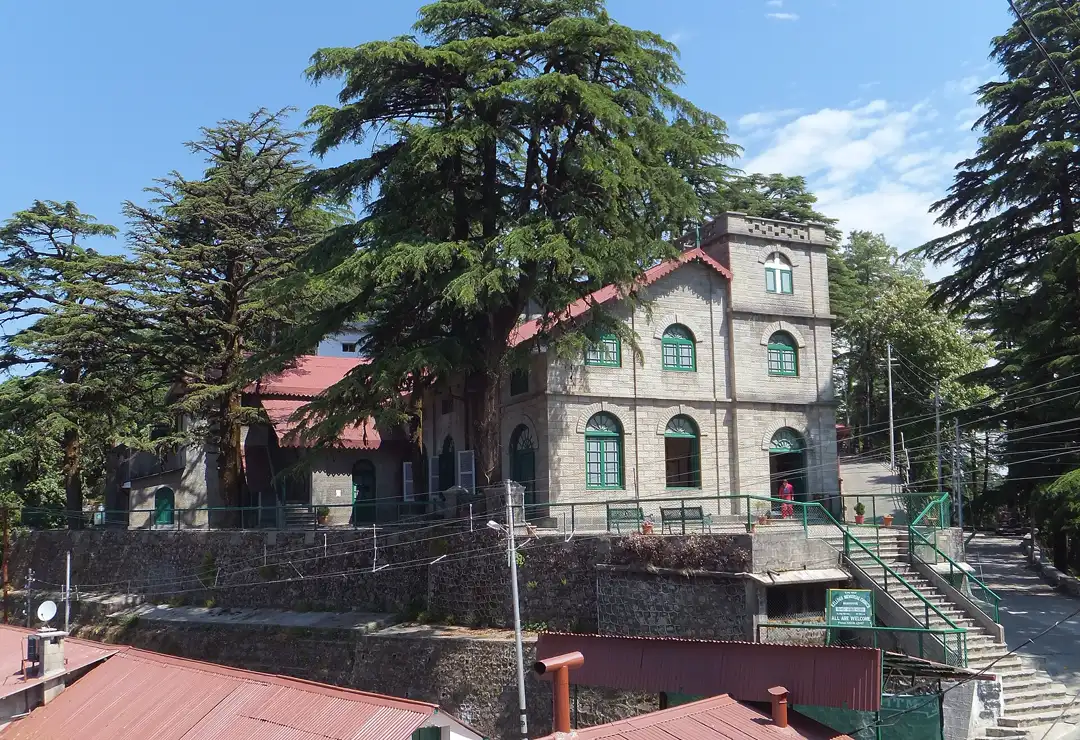
Musafir Cafe opened in the spring of 2016 in a two-room shop on Landour Road. Aditi Rawat had spent six years baking for other people’s cafés in Dehradun. Kabir Negi grew up in his family’s apple orchard above Kotgarh and had never worked in a kitchen. They had six tables, one steel coffee filter and a menu that fitted on a postcard.
The idea was small: a place where a traveller sits down, is told what the town grows, and eats it. Bun maska and filter coffee in the morning, rajma chawal at lunch, apple crumble when the orchards came in. People walking up from the Mall Road started coming back every day of their holiday.
In the winter of 2017 a regular told Kabir the café only worked because of the deodars and the mist. Take it down the hill to Rishikesh, into the heat and the rafting crowd, and it would be one more coffee shop. Kabir agreed with him. Aditi did not, and bet him a year of washing up.
In 2018 we opened in Tapovan, on the Badrinath Road, 1,600 metres lower, with the same menu and the same rule, and added what Rishikesh is good at: bananas, ginger and honey. It held. Every stop since has followed that rule, from the Ganga at 372 m to the Dhauladhar at 2,082 m.
about 77 km by road
ऋषिकेशRishikeshSince 2018From the first stop down to the second. The stake was a year of washing up; Kabir lost.
How a town becomes a stop
It takes us about a year from the first drive to the first cup. These are the steps, in the order we take them.
-
We drive the road first
A stop has to sit on a road travellers already take, no more than a day’s drive from the last one. We drive it in both directions, in season and out.
-
One of us lives there for a season
Aditi or Kabir rents a room in the town for three months, including the cold, empty ones, and eats everywhere. If the town empties out completely in winter, it is not a stop.
-
We find the suppliers before the building
Milk, flour and one thing the town is known for, bought within a short drive. If we cannot find all three, we do not open.
-
We look for an old building on a walking street
A street people walk down on their way somewhere: a bazaar, a bridge, a lane to a temple. No malls and no bypass roads.
-
The kitchen comes from the town
The head cook is from the valley, and the stop’s own dish is theirs. Siddu in Manali, tingmo in McLeod Ganj.
-
One season on the core menu
We open quietly with the dishes every stop shares. The town’s dish goes on the board once the regulars say it is right.
Who we buy from
Chikmagalur coffee and Harsil rajma are the two things every stop shares. Everything else is bought as close to the café as we can get it.
| What | From | Goes into |
|---|---|---|
| Every stop | ||
| Single-estate arabica | One estate in Chikmagalur, Karnataka, roasted in small batches | Filter coffee, cappuccino, pour-over |
| Rajma | Farmers in Harsil, on the Bhagirathi above Uttarkashi | Rajma chawal |
| Rishikesh | ||
| Bananas | Farms along the Ganga near Haridwar | Banana-walnut pancakes, banana bread |
| Raw honey and hill lemons | Beekeepers and kitchen gardens in Tehri Garhwal | Ginger lemon honey |
| Mussoorie | ||
| Milk and white butter | Dairy farmers in the Aglar valley, below Mussoorie | Bun maska, masala chai |
| Buns | Baked at five each morning in Landour | Bun maska |
| Shimla | ||
| Apples | Orchards in Kotgarh, about 80 km up the Hindustan–Tibet Road | Kotgarh apple crumble, and the crumble at every stop in autumn |
| Kasol | ||
| Whole-wheat flour | Stone-milled in the Kullu valley | The morning sourdough |
| Wild-flower honey | Beekeepers in the Parvati valley | Sourdough toast with hill butter |
| Manali | ||
| Siddu | A family down the lane in Old Manali, made each morning | Siddu with ghee |
| Apples and cider | Orchards around Old Manali | Apple cider tea |
| McLeod Ganj | ||
| Kangra tea | Tea gardens near Palampur, in the Kangra valley | Butter tea, masala chai |
| Vegetables | The morning sabzi market in Dharamshala | Vegetable thukpa |
| Darjeeling (2027) | ||
| First-flush tea | A garden below Kanchenjunga, still choosing | Not on the menu yet |
Ten years on the road
One stop a year at most, and some years none.
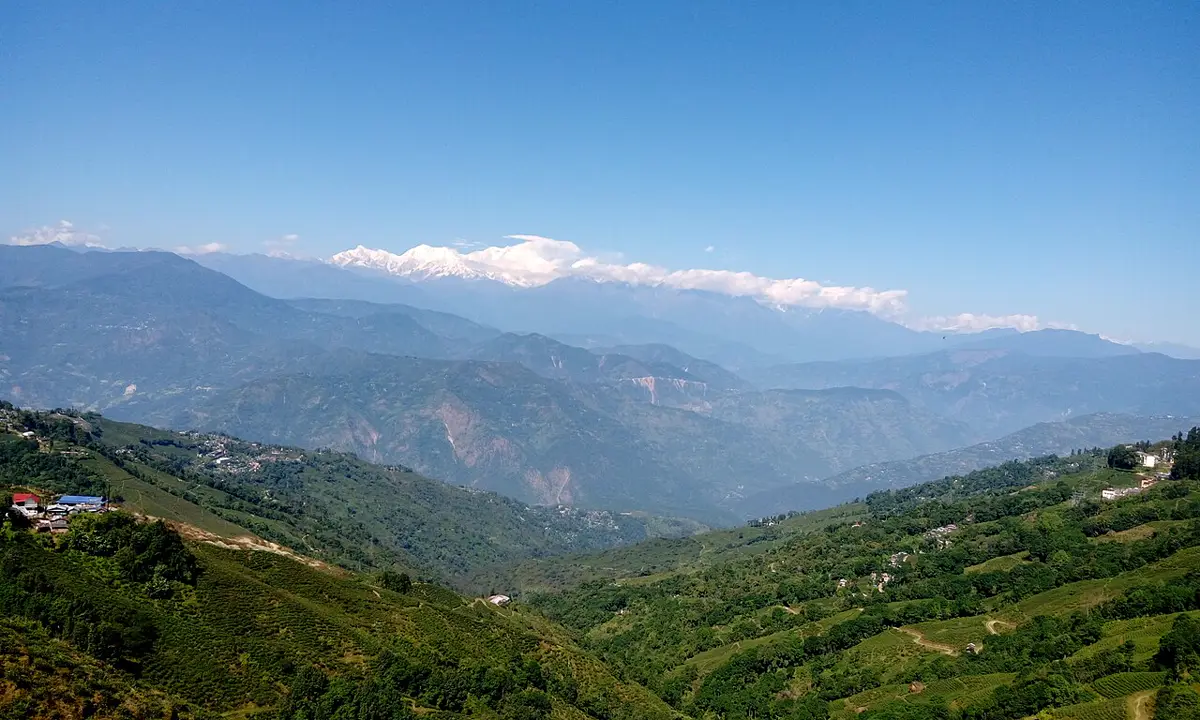
Kanchenjunga from the tea gardens of Darjeeling, the next stop.
-
2016
Mussoorie, Landour Road
Six tables, one coffee filter, a menu that fitted on a postcard.
मसूरीMussoorie2,005 m -
2017
The bet
A regular tells Kabir it only works because of the deodars. Aditi bets him a year of washing up that it will work 77 km down the hill.
-
2018
Rishikesh, Tapovan
Same menu, same steel tumblers, plus banana pancakes and ginger lemon honey. Kabir starts washing up.
ऋषिकेशRishikesh372 m -
2019
Shimla, Lakkar Bazaar
The first stop in Himachal, and the first apples from Kotgarh.
शिमलाShimla2,276 m -
2020
No new stop
The three cafés close for five months. Every cook stays on the payroll.
-
2021
Kasol, by the Parvati
The valley asked for bread, so we started baking sourdough every morning.
कसोलKasol1,580 m -
2022
Old Manali
Just over the Manalsu bridge. Siddu from the family down the lane.
मनालीManali2,050 m -
2024
McLeod Ganj, Jogiwara Road
The newest stop, with a kitchen that leans Tibetan.
मैक्लोडगंजMcLeod Ganj2,082 m -
2026
Ten years on Landour Road
The first stop turns ten. Kabir still does the washing up there on Sundays.
-
2027
Darjeeling, next stop
Among the tea gardens below Kanchenjunga. We are still looking for the building.
दार्जिलिंगDarjeeling2,042 m
Photo credits (placeholders)
This is a concept demo. The photos are from Wikimedia Commons under the licences below and stand in for real photos of each café until the owners send their own.
- Solang Valley, Road, India by Vyacheslav Argenberg, CC BY 4.0 hero-road.webp
- Solang Valley, Road, India (cropped) by Vyacheslav Argenberg, CC BY 4.0 og-musafir.jpg
- Lakshman Jhula, Rishikesh, Uttarakhand, India by Dan Searle, CC BY-SA 2.0 rishikesh-ganga.webp
- Rishikesh - Lakshman Jhula by Kaustubh Nayyar, CC BY-SA 4.0 rishikesh-jhula.webp
- An Ayurvedic Pharmacy, Rishikesh by Ken Wieland, CC BY-SA 2.0 rishikesh-street.webp
- Kellogg Memorial Church in Landour, Mussoorie by Mark Windsor, CC BY-SA 4.0 mussoorie-landour.webp
- Mussoorie Bazaar from Landour by Paul Hamilton, CC BY-SA 2.0 mussoorie-valley.webp
- The Camel of Camels Back Road by Paul Hamilton, CC BY-SA 2.0 mussoorie-camels-back.webp
- The Ridge, Shimla by Slyronit, CC BY-SA 4.0 shimla-ridge.webp
- Shimla, India, Panoramic view of Shimla hills by Vyacheslav Argenberg, CC BY 4.0 shimla-hills.webp
- Shimla Mall (cropped) by UnpetitproleX, CC BY-SA 4.0 shimla-mall.webp
- Parvati Valley river kasol by Alok Kumar, CC BY-SA 4.0 kasol-parvati-river.webp
- The Fast Flowing Parvati River on the banks of Kasol, Himachal Pradesh by Jan J George, CC BY-SA 4.0 kasol-river-pines.webp
- Kasol Bridge at Kasol 01 by Pinakpani, CC BY-SA 4.0 kasol-bridge.webp
- Beas River at Nehru Kund, Manali (1) by In Transit, CC BY 4.0 manali-manalsu-river.webp
- Old manali by Nrr1729, CC BY-SA 4.0 manali-old-town.webp
- Michael Goodine, Bridge in Old Manali DSC01270 by Michael Goodine, CC BY 4.0 manali-old-bridge.webp
- Solang valley under snow, 2015 by Bleezebub, CC BY-SA 4.0 manali-solang-snow.webp
- McLeod Ganj Dharamkot Dharmsala Himachal Pradesh India April 2014 by Rignam Wangkhang, CC BY 2.0 mcleodganj-dhauladhar.webp
- Felix Dance, Moon Peak view from McLeod Ganj by Felix Dance, CC BY 2.0 mcleodganj-town-view.webp
- Tibetan Prayer Flags in Dharamsala in 2008 by Kiran Jonnalagadda from Bangalore, India, CC BY-SA 2.0 mcleodganj-prayer-flags.webp
- Soale, Jogiwara road,outside McLeod Ganj (2) by Soale, CC BY-SA 4.0 mcleodganj-jogiwara-road.webp
- Kanchenjunga range from tea gardens of darjeeling by Souviknshm, CC BY-SA 4.0 darjeeling-kanchenjunga.webp
- Shakshuka by Calliopejen1 by Calliopejen1, CC BY-SA 3.0 food-shakshuka.webp
- Thukpa (27989841733) by Ashwin Kumar from Bangalore, India, CC BY-SA 2.0 food-thukpa.webp
- Tingmo or Ting Momo by Sumit Surai, CC BY-SA 4.0 food-tingmo.webp
- Apple Crisp Closeup by Douglas Perkins, CC BY 4.0 food-apple-crumble.webp
- Cutting chai by Photosticlife, CC BY-SA 4.0 food-masala-chai.webp
- Bun Maska Pav by Sanket Oswal, CC BY-SA 4.0 food-bun-maska.webp
- Steamed momos - Tibetan cuisine by Sarkar Sayantan, CC BY-SA 4.0 food-momos.webp
- North indian maggi by Vipul7229, CC BY-SA 4.0 food-maggi.webp
- Nutella Banana Pancakes - Laughing Dog 2026-08-25 by Andy Li, CC0 food-pancakes.webp
- Banana bread slices by Shisma, CC BY 4.0 food-banana-bread.webp
- Filter-Coffee by Triv.rao, CC BY-SA 4.0 food-filter-coffee.webp
- Glenary's the heritage restaurant in Darjeeling 20 by Pinakpani, CC BY-SA 4.0 cafe-interior-window.webp
- Siddu by Gannu03, CC BY-SA 4.0 food-siddu.webp


